2025: Volume 52(1)
-
-
-
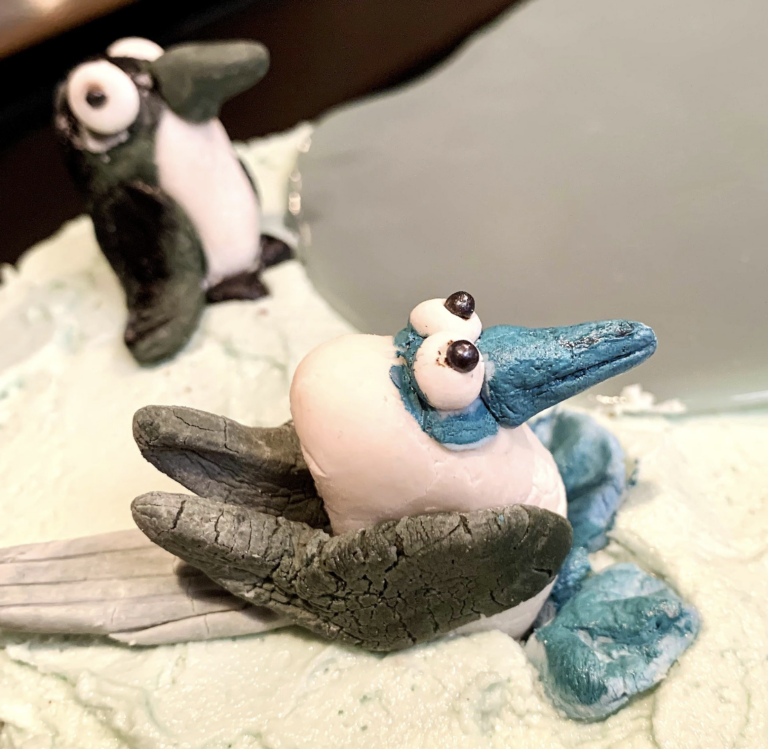
Edible Art
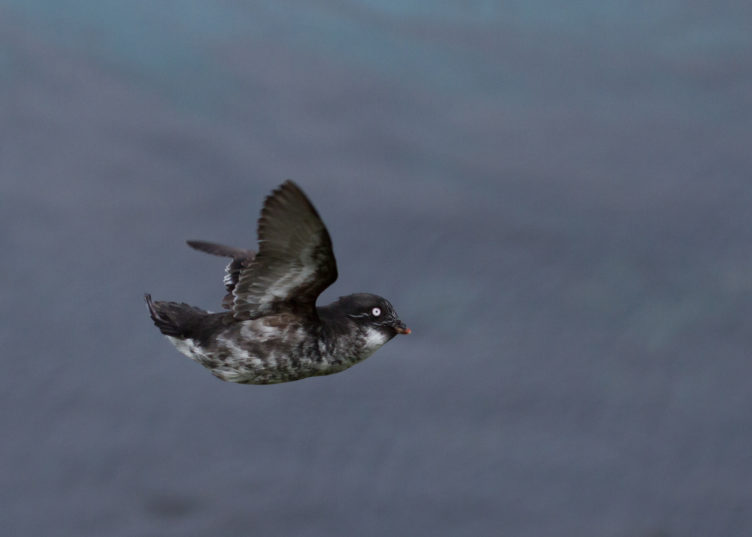
Submitted by: Stephanie Crawford, University of Alaska Fairbanks Blue-footed Booby (BFBO) with Galápagos Penguin (GAPE) in background #1 Blue-footed Booby (BFBO) with Galápagos Penguin (GAPE) in background #2 Common Murre (COMU) with egg Crested Auklet (CRAU) with Tuffin Puffin (TUPU) in background Magnificent Frigate (MAFR) with Galápagos Penguin (GAPE) in background Marbled Murrelet (MAMU) Pigeon Guillemot (PIGU) dive Red-legged Kittiwake (RLKI) with…
-
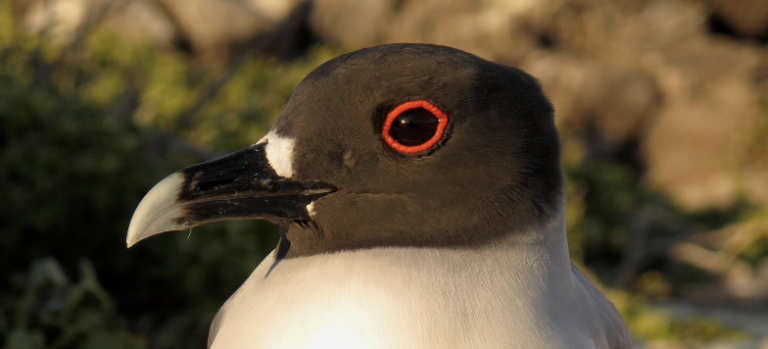
The Owl Gull: Swallow-tailed Gulls’ Exclusive Nocturnal Foraging
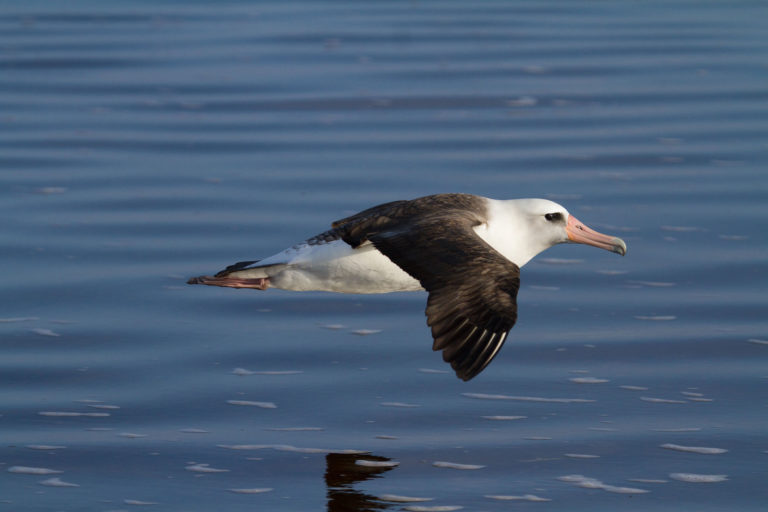
Submitted by: Sebastian Cruz, American Bird Conservancy Most seabirds rely on daylight for foraging, but the Swallow-tailed Gull (Creagrus furcatus), near-endemic to the Galápagos Islands, has evolved a remarkable exception — it is the only fully nocturnal foraging gull in the world. Using GPS tracking, our study confirms what previous observations suggested: Swallow-tailed Gulls head out to sea exclusively at night, traveling…
-
An eyewitness account of two Pigeon Guillemots (Cepphus columba) chicks fledging from their nest
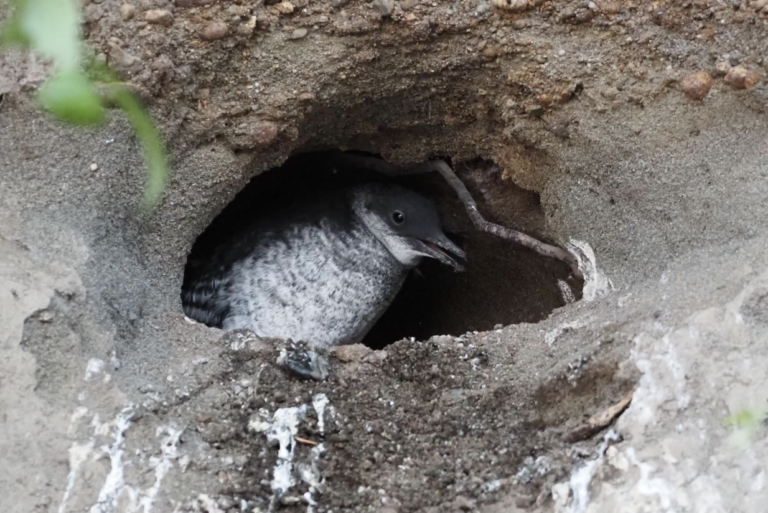
Submitted by: Maria M. Ruth and Susan Morgan, Salish Sea Guillemot Network, Olympia, Washington On the evening of August 11, 2024, two Pigeon Guillemots (Cepphus columba) were observed departing from their nesting burrow located in an erosional bluff on Eld Inlet, near Olympia, Washington. The burrow is among several in an active Pigeon Guillemot breeding colony located along a 2,000-foot stretch of…
-
Updates from the Ornithological Council
Submitted by: Laura Bies, Ornithological Council The Pacific Seabird Group is part of the Ornithological Council (OC) , a consortium of scientific societies of ornithologists. We’re here to support our societies and their individual members with resources, community action, and individual assistance. The OC is currently developing a new edition of the Guidelines to the Use of Wild Birds in Research. This…
-
US Policy Updates
Submitted by Annie Chester, American Bird Conservancy From executive orders to proposed rulemakings and legislation, many actions have an impact on seabird conservation. Here are the latest updates, as of March 2025: Migratory Bird treaty ActThe Solicitor’s Office of the Department of Interior suspended all Biden-era legal opinions, including M-37065, which affirms the inclusion of incidental take under the Migratory Bird Treaty…
-
Seabirds in a changing Arctic – two reviews and a case study
Submitted by: Kathy Kuletz, retired affiliate, U.S. Fish and Wildlife Service, Alaska Region Seabirds and other upper trophic level (UTL) animals, like fishes and marine mammals, are impacted by climate change throughout the circumpolar Arctic via changes to their habitats and prey. Species affected include perennial residents, breeding-season residents, and non-breeding migrants that use high-latitude oceans at some point in their annual…
-
Birds with Fish: Studying the diets of Oregon’s coastal birds alongside community scientists
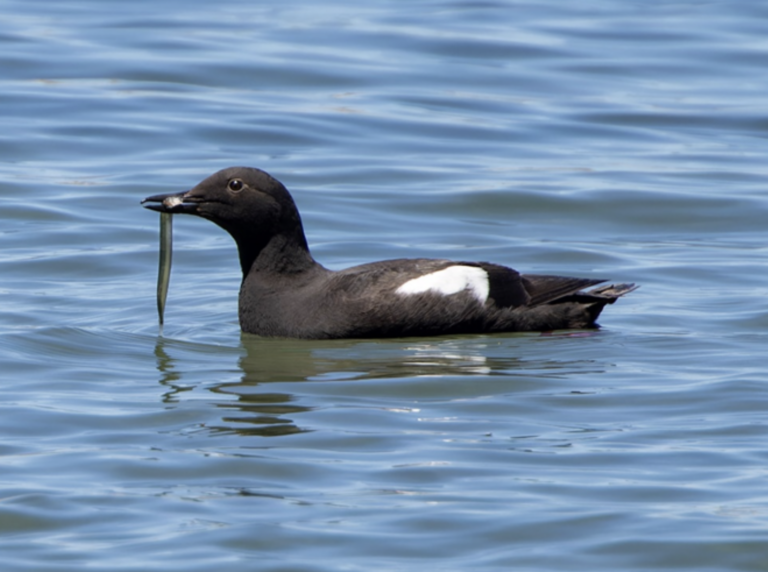
Submitted by: William L Kennerley and Rachael A Orben, Department of Fisheries, Wildlife, and Conservation Sciences, Oregon State University, Hatfield Marine Science Center, Newport, Oregon Bill-load photography can be an effective means of diet sampling for a number of seabird species (1). Many alcids and terns, for instance, carry prey back to the nest site in their bills, allowing researchers to not…
-
The impact of feral honey bees on endangered seabirds in theHawaiian Islands
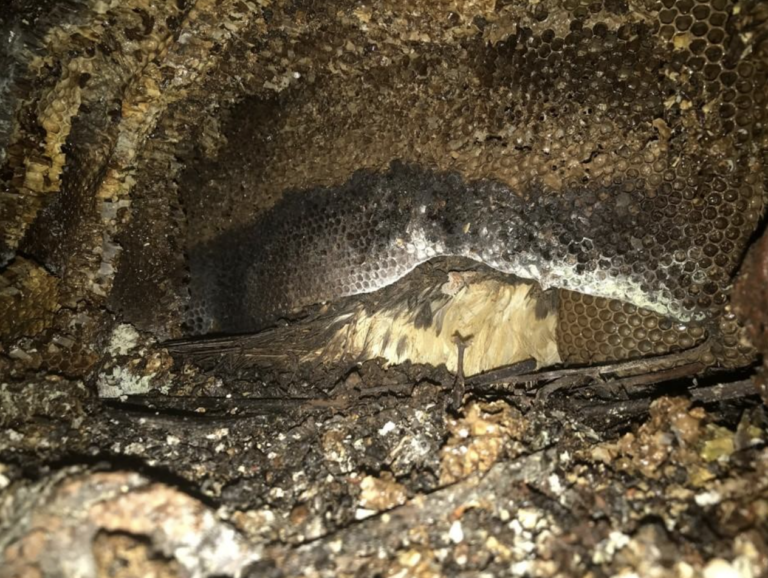
Submitted by: Andre Raine, Archipelago Research and Conservation The ‘aʻo (Newell’s shearwater Puffinus newellii) and ‘uaʻu (Hawaiian petrel Pterodroma sandwichensis) are both endangered seabirds endemic to the Hawaiian Archipelago. The impact of introduced predators (such as cats, rats, pigs and barn owls) on these species is well known and is a major conservation issue. Due to this, there are now seven management…